


Unlocking Your Potential Through Self-Investment and Self-Awareness
Upcoming Book Release
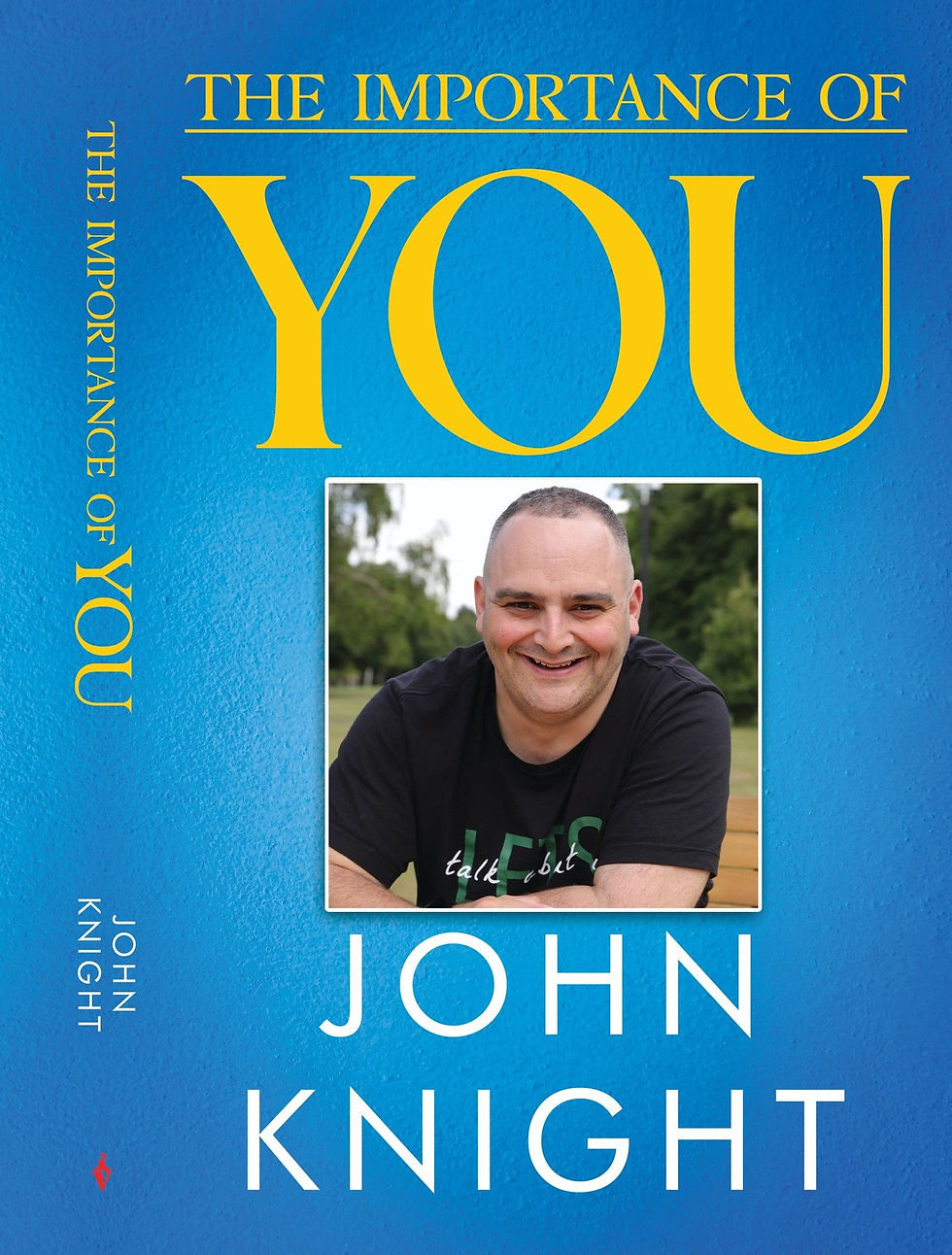
The book titled The Importance of You is set to be released on July 30, 2026.
Investing in yourself is the most valuable commitment you can make. When you focus on your mental health and understanding your own
, you build a foundation that supports growth, resilience, and clarity. This post explores how self-investment and self-awareness can transform your life, drawing from personal experiences and practical strategies.

The Power of Investing in Yourself
Many people overlook the importance of dedicating time and energy to their own well-being. Investing in yourself means prioritizing your mental health, learning about your patterns, and nurturing your strengths. This investment pays off by improving your ability to handle stress, make decisions, and build meaningful relationships.
For example, setting aside even 10 minutes a day for meditation can help calm your mind and reduce anxiety. This simple practice allows you to step back from overwhelming thoughts and gain control over your emotions. Over time, meditation becomes a tool to manage stress rather than relying on quick fixes or external distractions.
Overcoming Learning Difficulties and Labels
Growing up with moderate learning difficulties and dyslexia can feel limiting, especially when others define you by those challenges. However, these labels do not have to dictate your future. Moving beyond perceived shortcomings requires patience and self-compassion.
One way to overcome these barriers is by focusing on your unique strengths and finding strategies that work for you. For instance, using audiobooks or speech-to-text tools can make learning more accessible. Recognizing that your brain works differently allows you to adapt and thrive without being held back by outdated labels.
Meditate, Not Medicate
Meditation is a central theme for managing mental health naturally. Instead of immediately turning to medication, meditation offers a way to calm the mind and reduce stress. It helps you observe your thoughts without judgment and respond thoughtfully rather than react impulsively.
Practicing meditation regularly can improve emotional regulation and increase your awareness of triggers. This awareness creates space to choose healthier responses and break free from negative cycles. While medication has its place, meditation provides a sustainable, empowering approach to mental wellness.
Breaking Toxic Patterns in Relationships
Recognizing manipulation and gaslighting is crucial for protecting your mental health. Toxic relationships drain your energy and distort your sense of reality. Saying "no more" is a powerful step toward reclaiming your strength.
Building self-awareness helps you identify these harmful patterns early. You learn to set boundaries and prioritize your well-being. For example, if someone consistently dismisses your feelings or twists your words, acknowledging this behavior allows you to distance yourself or seek support.
Building Self-Awareness as a Muscle
Self-awareness grows stronger with practice, much like a muscle. The more you observe your thoughts, emotions, and reactions, the clearer your understanding becomes. This clarity helps you navigate life’s complexities with confidence.
Start by journaling your daily experiences and reflecting on what triggers certain emotions. Over time, you will notice patterns and gain insight into your strengths and areas for growth. This ongoing practice empowers you to make conscious choices aligned with your values.
Practical Steps to Begin Your Journey
Set aside daily time for meditation or quiet reflection. Even five minutes can make a difference.
Use tools and resources that support your learning style. Explore audiobooks, apps, or visual aids.
Pay attention to your relationships. Notice when you feel drained or confused and consider why.
Journal regularly to track your thoughts and feelings. This builds self-awareness and highlights progress.
Seek support when needed. Talking to a counselor or joining a support group can provide guidance.

Comments